From the Field: An Inside Look at the Team’s Experiences
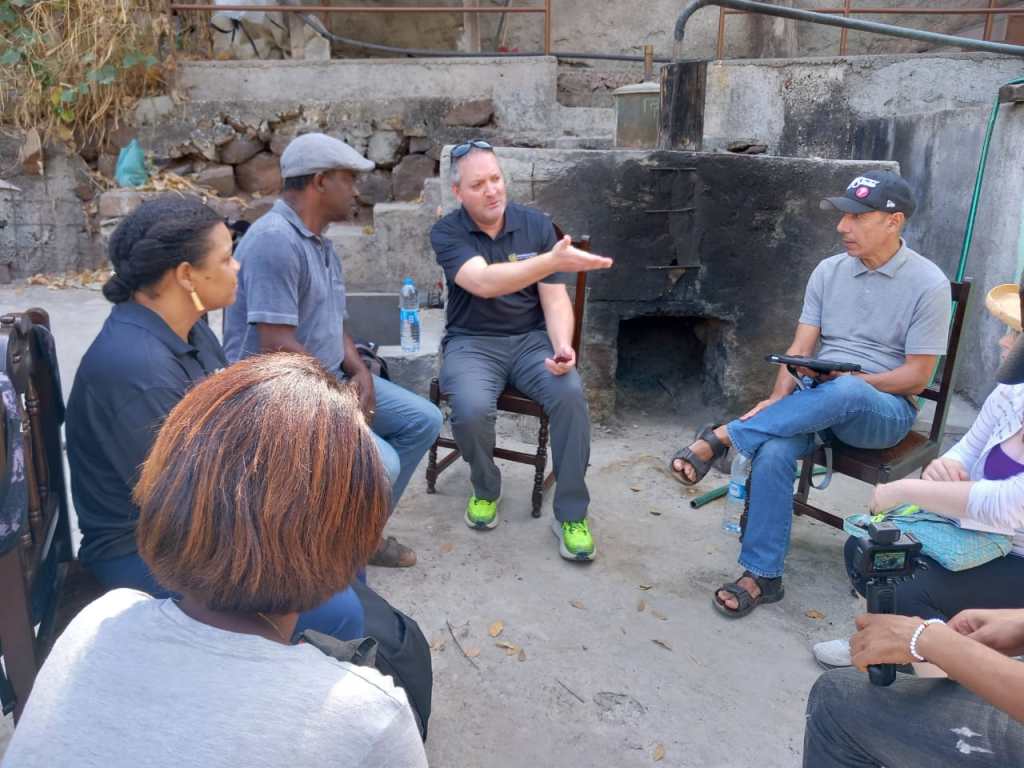
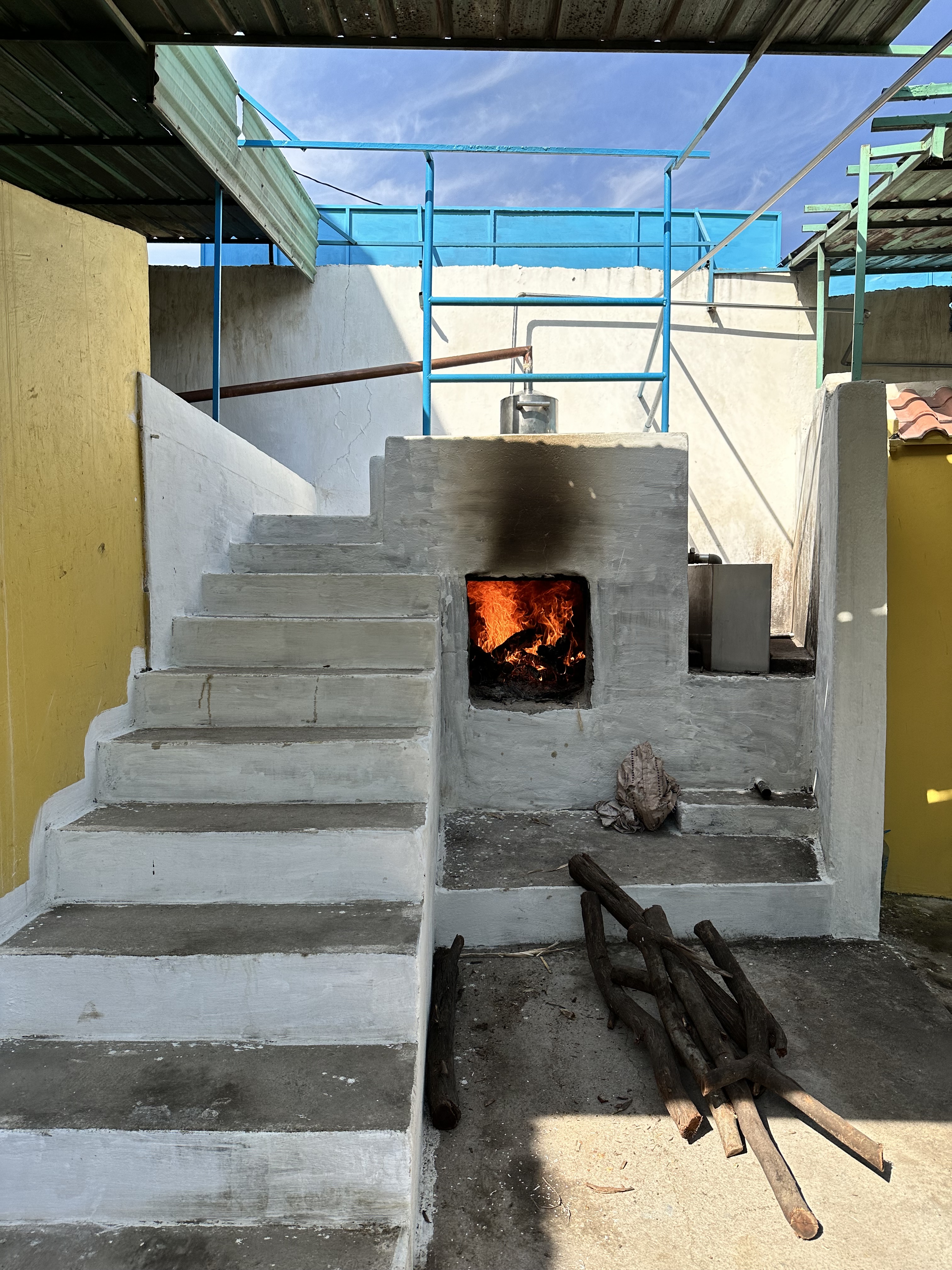
Our research involved first hand experiences at grogue production facilities. We begin each visit with a tour of the grogue production unit – from field to glass. After familiarizing ourselves with their production process and capabilities, we discuss our findings, ask clarifying questions, and share observations.
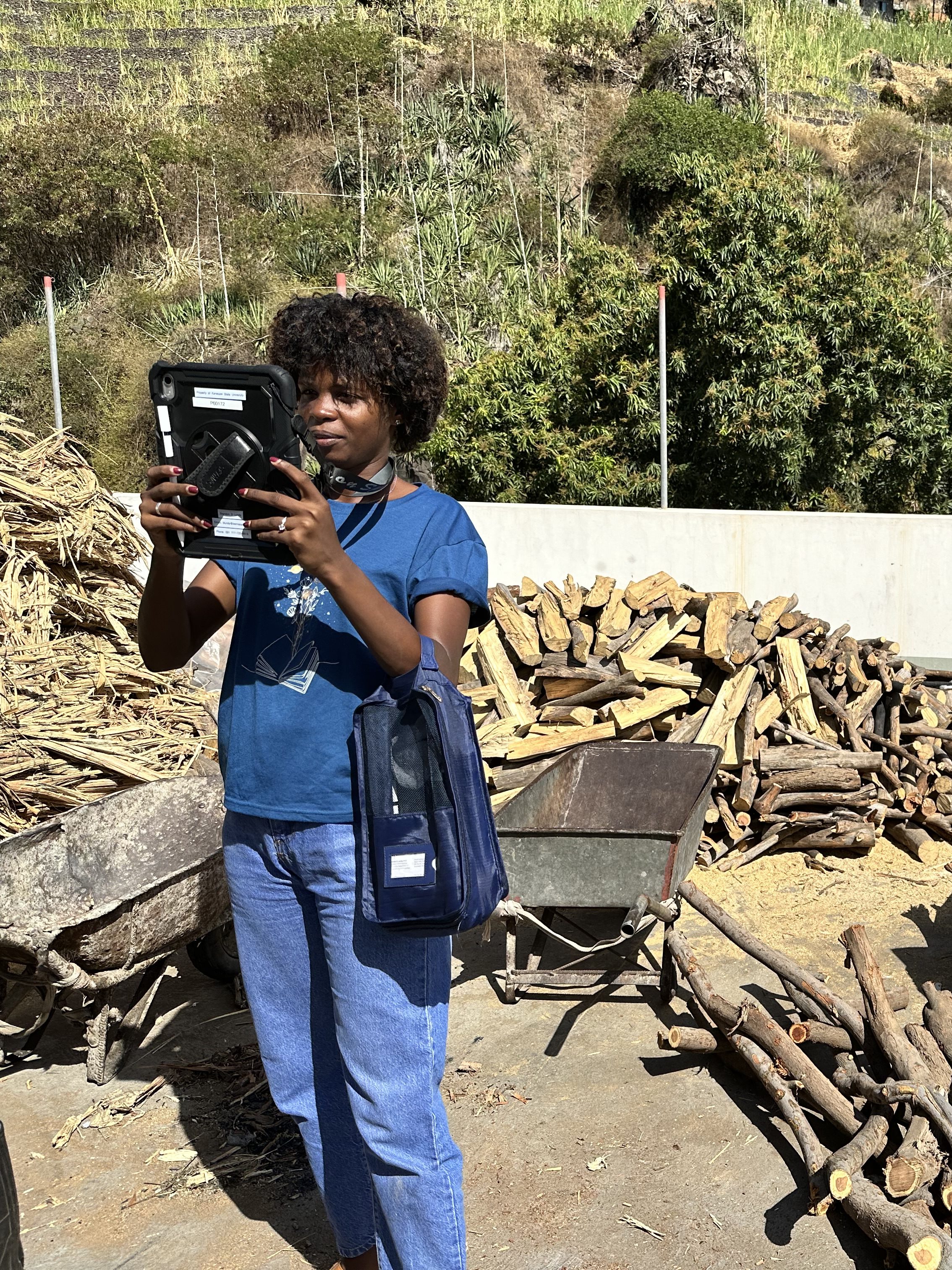


The team utilizes a mixed-methods approach for data collection. Surveys and site mapping are done using ArcGIS Survey123 and Field Maps. Simultaneously, researchers conduct semi-structured interviews, obtaining informed consent from each study particiant before beginning the interview. These interviews, often taking place at the production facility itself, are translated in real-time and focus on discussions with site managers and owners. Studying in rural areas poses various challenges when it comes to mapping and surveying. The technical nature of the questions necessitates a face-to-face approach to address misunderstandings in real time.
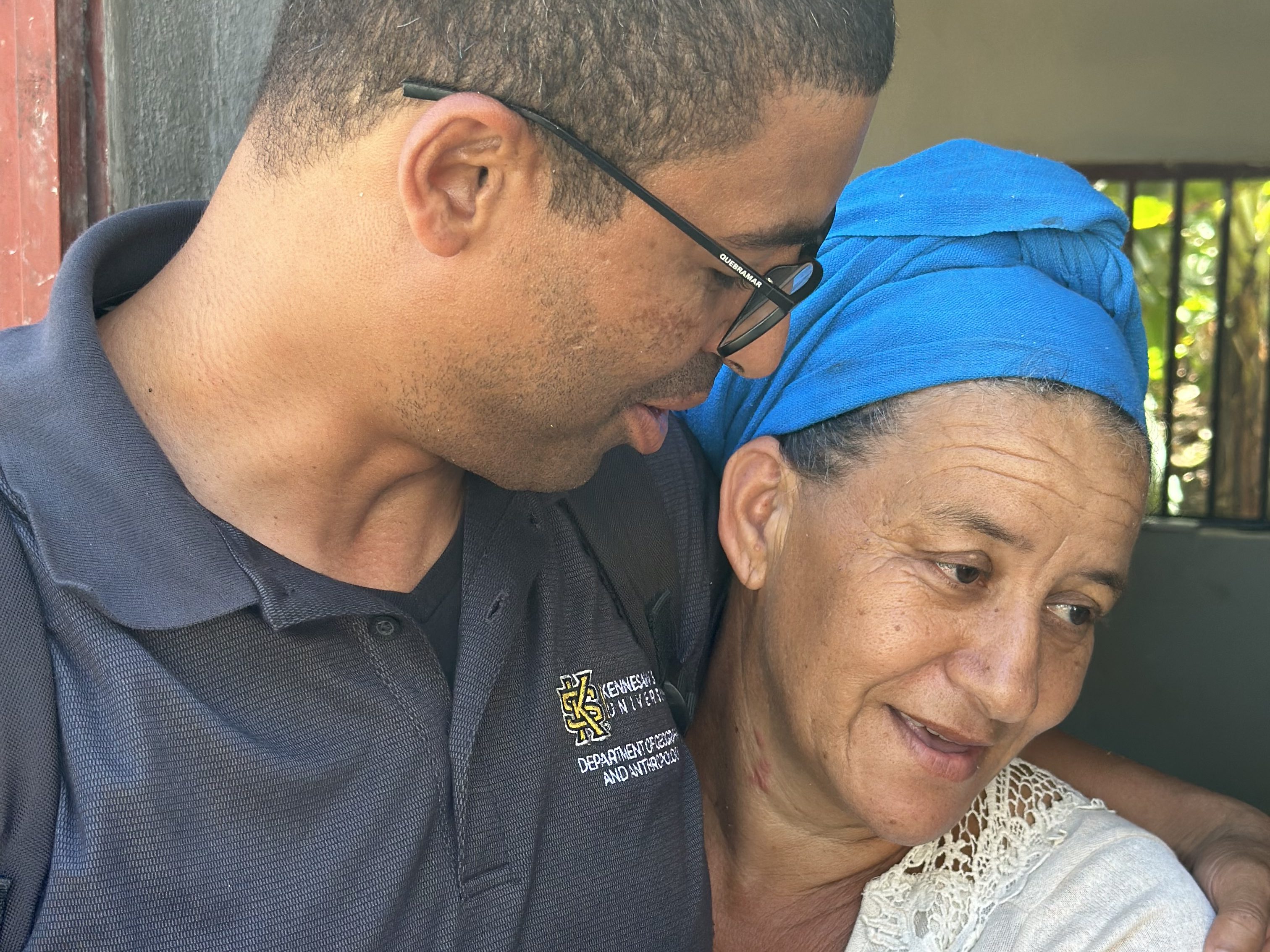
Unexpectedly, our research revealed that most grogue producers are ultimately happy about the implementation of the new grogue law. The new legislations allows the producers to make improvements to their processes and infrastructure. This results in better working conditions and a higher quality final product. Almost every producer we spoke with showed us their improved facilities with pride and lauded the law for helping them to earn a better price for their grogue overall. They also regularly note how improved quality also means improved health outcomes for consumers. Producers show concern over counterfeiting, which sometimes impacts their willingness to bottle and export their products. Their reputations are important. The laws do negatively affect producers during the strict production window from January to May each year. Many producers, due to labor shortages, are unable to finish their production season by the end of May and need to petition the government for more time. It is eye opening to learn the strong relationship between grogue production and its regulation, with campaigns pushing for either more or less regulation and oversight. Since the implementation of the 2018 resolution, there has been much less oversight and inspection of production units, largely because the budget for the Inspector Generals Office has been depleted.
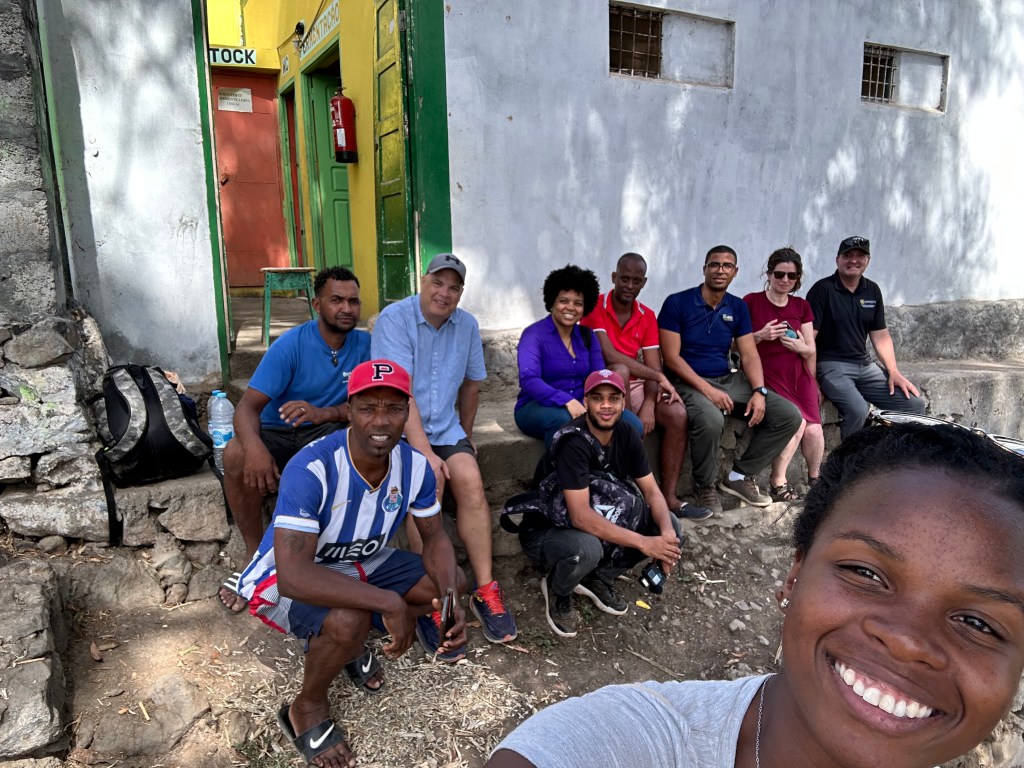
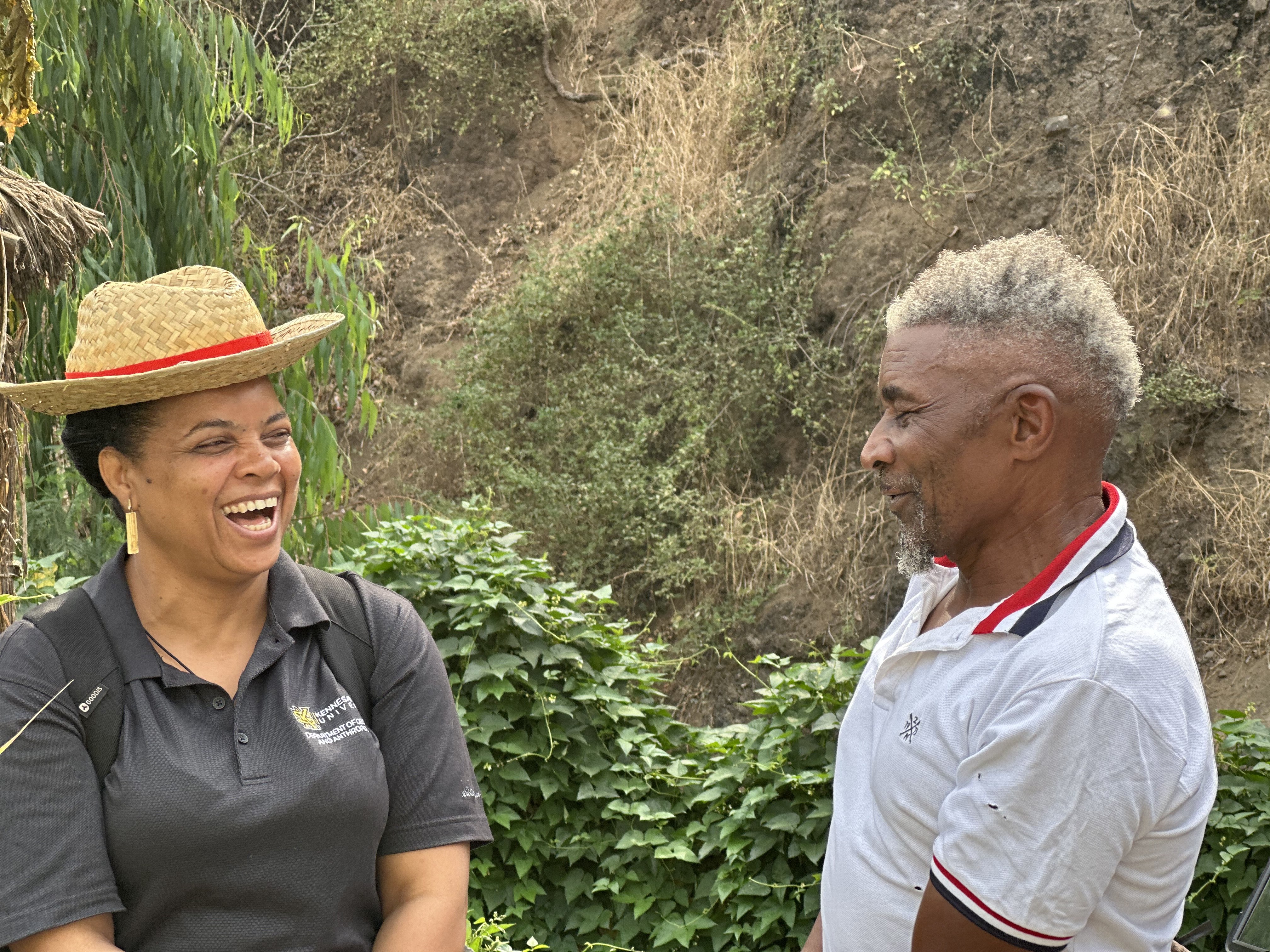
What we learned was that ethnographic research involves grace, patience, and flexibility. It is also essential to be a good listener so that you not only pick up information that is important to your study, but also learn about what is important to the people you work with.
 GRoG: Global Research on Grogue